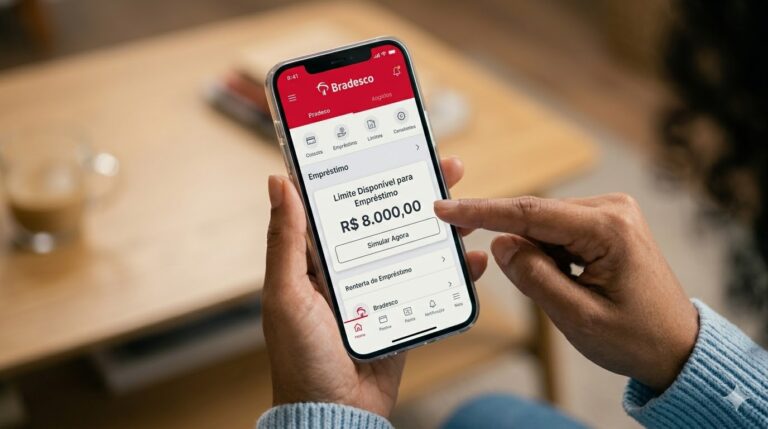
FAMILY ALLOWANCE LOAN: Learn the requirements and how to apply for credit up to R$6,000.00
How does the loan for Bolsa Família beneficiaries work?
The Bolsa Família loan is a financial mechanism developed to offer additional support to beneficiaries of this social assistance program. This system was designed to facilitate access to credit, allowing families in situations of economic vulnerability to make investments that promote their financial autonomy.
The operation of this loan is based on a fairly clear structure. First, it's important to understand that the loan amount varies according to the beneficiary's profile and needs. The released amount can be directed towards essential expenses, such as education, health, or even to capitalize small businesses, thus contributing to improving the living conditions of those involved.
The fundamental difference between a Bolsa Família loan and the regular benefit lies in the characteristics and purpose of each. While the regular benefit is a direct transfer of funds to meet the basic needs of the family, the loan must be repaid. Payment terms are structured to be accessible, considering the financial reality of each beneficiary. Typically, installments are monthly, and the repayment period may vary according to the relevant policies and regulations.
Furthermore, the loan offers more accessible interest rates compared to traditional financial institutions, making it a viable option. It is crucial to emphasize that access to this resource should be done consciously, with proper financial planning, as the obligation to repay implies responsibility on the part of the borrower.
Understanding how loans work for Bolsa Família beneficiaries is essential so that families can use this resource in a beneficial and sustainable way.
Advantages of the Bolsa Família Loan
The Bolsa Família loan is an attractive option for many beneficiaries, offering benefits that are not only financial but also social. Easy access to credit is one of the main advantages, as this type of loan is generally offered with less bureaucracy than other options available on the market. Thus, program participants have the opportunity to obtain financial resources with fewer obstacles, promoting more effective financial inclusion.
In addition to ease of access, the Bolsa Família loan provides a significant reduction in financial vulnerability. For many families who depend on Bolsa Família, the possibility of obtaining a loan can be the difference between facing financial difficulties or being able to guarantee their livelihood and well-being. For example, a beneficiary who needs resources to carry out home renovations can use the loan to improve their housing conditions, positively impacting the family's quality of life.
Another important aspect is the use of the loan for investment in productive activities. Beneficiaries can use these resources, for example, to open a small business, buy equipment or supplies, which can generate extra income and contribute to their financial independence. These examples demonstrate that the Bolsa Família loan, when used consciously, can be a powerful tool for social transformation.
Through facilitated access to credit and the potential for investment and improved living conditions, the Bolsa Família loan stands out as a viable alternative for many, providing both immediate support and the chance for long-term development. Therefore, it is crucial that beneficiaries become informed and consider this option as part of their strategy for overcoming economic challenges.
Disadvantages and risks associated with the loan.
The Bolsa Família loan, despite offering an opportunity to access financial resources, also brings to light a series of disadvantages and risks that need to be considered. One of the main drawbacks is the potential for excessive debt. Beneficiaries who do not properly manage their financing may find themselves in a debt spiral, which can compromise their financial health and ability to meet their daily needs.
Furthermore, the interest rates applied to these loans can be high. Although the initiative aims to facilitate access to credit, many beneficiaries may not be fully informed about the loan conditions, which can lead to unpleasant surprises in the future. A careless analysis of the rates can result in additional costs that accumulate over time, making the loan more expensive than initially anticipated.
Therefore, it is crucial that Bolsa Família beneficiaries conduct a thorough assessment of their personal finances before considering this type of loan. This involves carefully reviewing their expenses, income, and especially the impact that loan repayments will have on their overall financial situation. To avoid the risks associated with debt, a viable solution is to develop a detailed financial plan that takes into account all obligations and available income.
Therefore, the decision to take out a loan should be made with caution. Borrowers should be aware of the potential challenges and prepared to face the consequences that excessive debt can bring, ensuring that their financial choices are sustainable in the long term.
Requirements for applying for a loan.
Applying for a loan as a beneficiary of the Bolsa Família program requires the submission of specific documentation and compliance with certain criteria. Initially, applicants must ensure that they meet the basic conditions of the program, which include holding a Bolsa Família card, being up-to-date with program obligations, and having their information updated in the Unified Registry (CadÚnico).
The main documents required for the loan application include:
- Copy of CPF (Brazilian Individual Taxpayer Registry): The Individual Taxpayer Registry (CPF) is one of the essential documents, as it officially identifies applicants.
- Proof of Residence: You need to present a document that proves your current address, such as a utility bill, phone bill, or rental agreement.
- ID card: Presenting an identity document is mandatory to verify the authenticity of the request.
- Proof of Income: Applicants must submit documents that prove their family income, such as pay stubs or income tax returns.
In addition to the documentation, beneficiaries must also observe the established criteria for granting the loan. It is important that the family income does not exceed the limit stipulated by the Bolsa Família program, and that there are no outstanding financial obligations that could compromise loan approval. Another relevant point is age and legal responsibility; normally, the application must be made by a responsible adult.
After gathering all the necessary documentation and proving that they meet the criteria, beneficiaries must go to an accredited financial institution to begin the loan application process. It is advisable to clarify any doubts with a representative, as well as verify the specific payment conditions and applicable interest rates before finalizing the application.
How to use the Bolsa Família loan responsibly.
The Bolsa Família loan is a tool that can transform the financial reality of beneficiaries, provided it is used responsibly. To ensure that the resources obtained through this loan are used effectively, it is essential to follow some practical guidelines.
First and foremost, financial planning should be a priority. Before applying for a loan, it's advisable to create a detailed budget. This involves identifying all sources of income and listing fixed and variable expenses. This clear overview will allow borrowers to determine how much they can commit to loan payments without compromising their daily needs.
In addition to the budget, it is crucial to define spending priorities. The resources obtained from the loan should be directed to areas that will provide the greatest return on investment. For example, if beneficiaries face difficulties in their children's education, it is prudent to consider using the funds to cover educational costs, such as school supplies, which can have a direct impact on the children's education and future.
Another important point is to avoid impulsive spending. While it's tempting to spend on immediate improvements, such as new technology or appliances, it's vital to remember that this is an opportunity to create a more solid financial foundation. Therefore, it's advisable to prioritize investments that generate long-term value, such as professional development or investments in small businesses.
Finally, setting aside a portion of the loan for emergencies can be a smart strategy. Having a fund for unforeseen events can prevent debt from becoming a burden during times of financial hardship. By following these guidelines, Bolsa Família beneficiaries can use the loan wisely, ensuring not only the payment of installments but also a more stable and promising financial future.
Society and Reflection on the Bolsa Família Loan
The Bolsa Família program, in addition to providing direct assistance to families in situations of social vulnerability, introduced a loan mechanism that allows for broader access to credit. This advancement represents a significant opportunity for many families, allowing them to improve their quality of life and make investments that can modify their long-term economic conditions. The Bolsa Família loan enables beneficiaries to access financial resources that might otherwise be out of their reach, helping to boost small businesses, pay for education, and make home improvements.
Through this access to credit, a positive social impact can be observed. Families that previously lived in the informal economy begin to participate in a more structured financial system, which not only improves their self-confidence in managing their finances but also integrates them into a broader economic context. Credit can act as a powerful instrument of transformation, contributing to the circulation of money within communities. Therefore, the Bolsa Família loan can boost local entrepreneurship, creating a virtuous cycle of economic development that has the potential to benefit the entire society.
However, it is essential to emphasize that access to credit must be accompanied by financial education. It is fundamental that families understand the responsibilities that come with using loans, avoiding over-indebtedness and increased financial vulnerability. Therefore, reflecting on the impact of loans goes beyond the mere availability of resources; it also involves the beneficiaries' ability to manage these opportunities responsibly. The success of this loan system lies not only in access, but also in the development of a critical awareness of consumption and financial planning, thus promoting a more just and egalitarian society.
Success stories
The Bolsa Família loan has proven to be a significant tool for transforming lives in different communities. Many families have benefited from this financial support to start small businesses, improve their housing, and even invest in education. A striking example is Maria, a single mother who, after obtaining the loan, decided to open a small grocery store in her community. This not only generated a new source of income but also provided employment opportunities for other women in the same situation.
Another inspiring case is that of the Silva family, who used the loan to renovate their home, transforming an inadequate space into a safe and cozy environment for their children. This change not only improved the family's quality of life but also boosted the parents' self-esteem, as they felt capable of providing a more dignified home for their children. The conscious use of Bolsa Família resources led to a cycle of self-confidence and financial responsibility within the family unit.
Furthermore, there is the story of João, a young man who invested the loan in his education. He was able to pay for vocational courses, aiming to qualify himself for the job market, which resulted in his being hired by a local company. João's success exemplifies how a loan can not only meet immediate needs but also be an important step towards building a better future.
Through these examples, it becomes clear that the Bolsa Família loan, when used in a planned and conscious way, can transform realities and inspire other families to seek improvements in their lives. Such accounts are fundamental to encouraging beneficiaries to explore this possibility, showing that change begins with the attitude and willingness to invest in a more prosperous future.
Future of Loans for Bolsa Família Beneficiaries
The Bolsa Família program has, over the years, provided significant support to millions of Brazilians in situations of economic vulnerability. However, the future of this program, especially regarding loans for its beneficiaries, raises a number of questions that need to be addressed. As the economy and public policies evolve, it is imperative to consider how these changes may impact these individuals and their families.
A key aspect for the future of Bolsa Família loans involves the possibility of public policy reforms. Recent discussions suggest that the government should consider expanding low-interest credit options, as well as implementing conditions that favor the restructuring of beneficiaries' debts. Such measures could facilitate safer access to financing and, consequently, contribute to improving the living conditions of these people.
Another important point to be discussed is the efficiency of consumer support systems. Technological implementations, such as apps and online platforms, can assist beneficiaries in managing their loans, allowing them to have better financial control and easier access to information on interest rates and payment terms. These systems should be sustainable and accessible, promoting financial literacy that enables a healthier relationship with credit.
Furthermore, it is essential to maintain an ongoing dialogue between the agencies responsible for the Bolsa Família policy and the beneficiaries. This communication can help identify the specific needs of the target audience and, consequently, promote adjustments that strengthen the program. In a scenario where changes are constant, the commitment to ensuring a stable future for Bolsa Família beneficiaries must be a priority, thus ensuring that the support continues to be a tool for social transformation.